

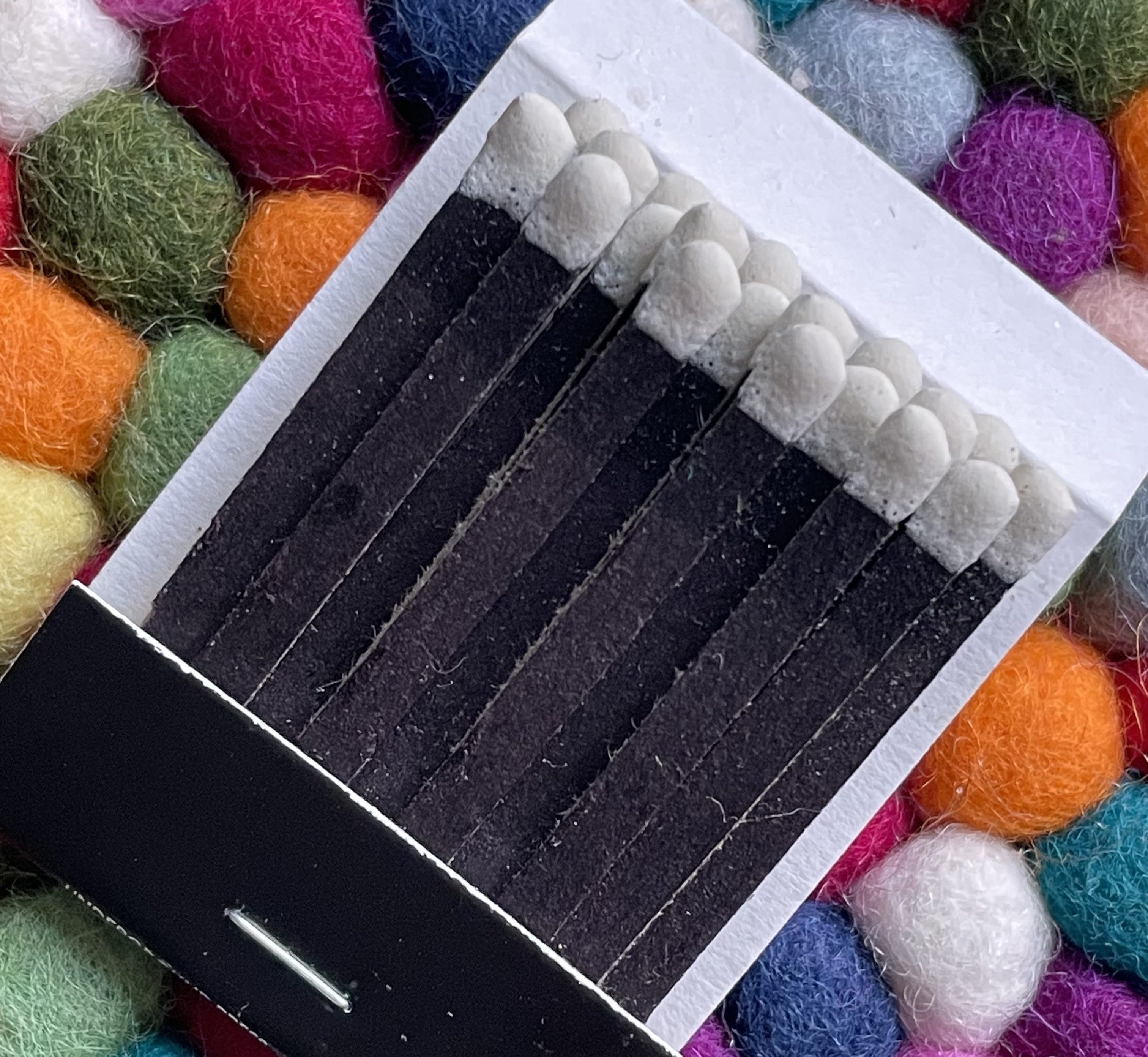
“It was a pleasure to burn. It was a special pleasure to see things eaten, to see things blackened and changed.” — Ray Bradbury
It was all very civilized to my young mind: a specific day, standardized tools, a procedure. I’d just come from Tennessee, where you simply dug a pit and burned things whenever you damn well pleased. Sometimes you didn’t even bother with the pit. Some people didn’t even bother with that far of a walk from their houses, though then they occasionally ended up without houses.
In Pennsylvania things were orderly. You burned on Saturdays, and in a regulation burn barrel, of the sort hobos warmed themselves around in the 1970s. By noon a great grey pall of smoke hung overhead.
In town, the barrels lined alleys where people’s lawns ended. Carting services would come ‘round to carry away the ash or replace the barrel once your current one burned out and holes started appearing at the bottom. On the edge of town (or a five-minute drive away), barrels sat where lawns turned to brush and woods. You got rid of ash by dumping it down the hillside, to be carried into creeks or neighbors’ basements by the next rain. A barrel was to be used for long past its service life. When it finally had to be replaced, you simply turned the old one on its side and kicked it out of the way.
Your best friend was your burn stick. Townsfolk used old rusty iron rods, which never needed replacing, although you did have to be wary of burns. By the woods, you’d find a nice stick and that would last a few weeks before crumbling. You needed the stick to mix up all the material in your barrel. Woe unto the townie who let his boxes and junk mail get too compacted in his barrel. He could be out there trying to restart a smoldering fire for hours.
Though it wasn’t a problem in town, in the hinterlands (again, a five-minute drive away) maintaining access to your barrel in the summer was paramount. Weeds and briars and saplings grew up as quickly as you cut them down. You had to constantly be hacking at vegetation, else you could end up cut off. If you were lucky, you got a dull swing blade for the task; if unlucky, you got an old shovel with a loose socket, which you’d use until the blade went flying. Weed eaters were sometimes employed but were about as useful as trying to cut down a tree with a butterknife. A machete was the correct tool, but it would’ve been an irresponsible implement to hand your 11-year-old before sending him into the woods unsupervised to light rubbish on fire.
There was only a modicum of reasoning behind what was burned. Paper of course, never glass, usually not plastic, unless someone really wanted to. It was usually determined by an adult yelling at you: “Don’t you put that in the trash! That’s burn.” The town had municipal trash collection as well as recycling so burning things wasn’t, strictly speaking, “necessary”.
Eventually I left. I met people from places near and far, from places big and small, from places with fluoride in the water (we had to go up to the teacher’s desk every morning in elementary school to get a chalky grape-ish tablet that kept our teeth from rotting out of our skulls). But none of them had ever heard of burn day. “What?!” they’d say, or “where the hell are you from?”, or “no… that’s not something everyone grew up with”. The tradition continued unabated however, into the 2010s. It continues today among those flame bug pensioners brave enough to snub their noses at the fire department, local ordinances, and common sense.